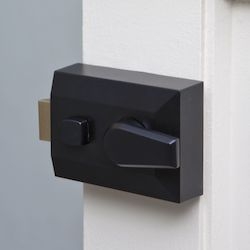
Kirkpatrick Black Ironmongery: A Walsall Tradition Since 1855
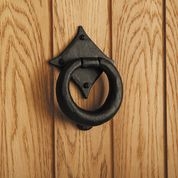
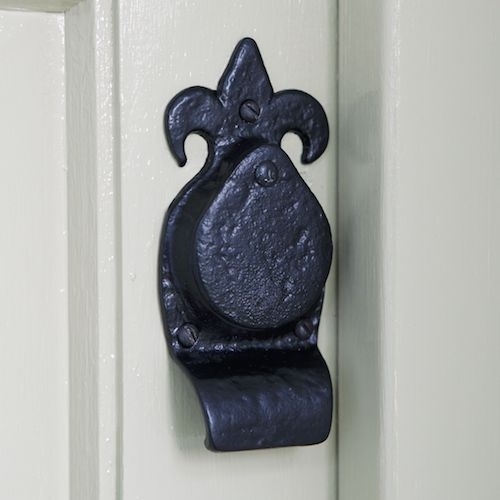
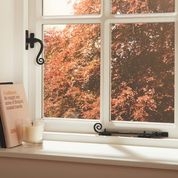
The character of an old house is often found in the things the hand meets every day: a Suffolk latch lifted on the way to the garden, the solid ring of a knocker against an oak door, a casement fastener turned to let in the morning air. Such fittings have a purpose, of course, but they also give a building its particular feeling. Kirkpatrick ironmongery belongs to that useful, quietly decorative tradition.
Where the Story Began
In 1855, William Kirkpatrick established his ironworks in Walsall, among the foundries and workshops of the Black Country. In the decades that followed, the firm became known for its black iron door and window furniture, with patterns that can still be recognised in its nineteenth-century catalogues. It is an appealing sort of heritage: not a design preserved in a museum case, but one intended to be used.
The Work Behind the Iron
Traditional Kirkpatrick castings began with a pattern pressed into sand to form a mould. Molten iron was poured, cooled and annealed before the castings were ground, filed, drilled and assembled. The black antique finish gave the ironwork its familiar depth and texture. A finished latch or handle may look simple, yet there were many skilled hands behind its making. That is part of what makes the old methods worth remembering.
Choosing Ironmongery for a Period Property
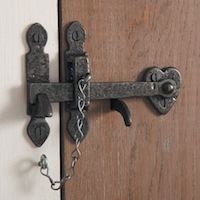
Good restoration calls for a little restraint. A thumb latch should look right on its timber door; a monkey-tail fastener should suit the proportions of the window; a knocker or letter plate should sit comfortably against the entrance's joinery. These are not details to choose in isolation. In a cottage, farmhouse or Victorian home, the right fitting can make the whole room feel more settled.
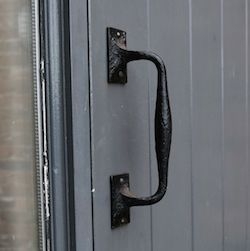
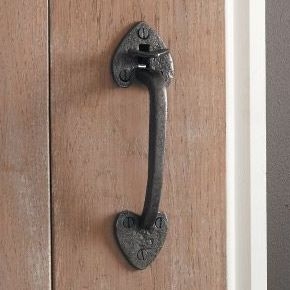
Explore our Kirkpatrick front door furniture, Kirkpatrick window fittings and Kirkpatrick pull handles and finger plates. If you're replacing an old fitting, take careful note of its dimensions, fixing positions and finish. At Period House Group, we're always pleased to help you find ironmongery that looks as though it belongs.