





Catch, latch or lock?
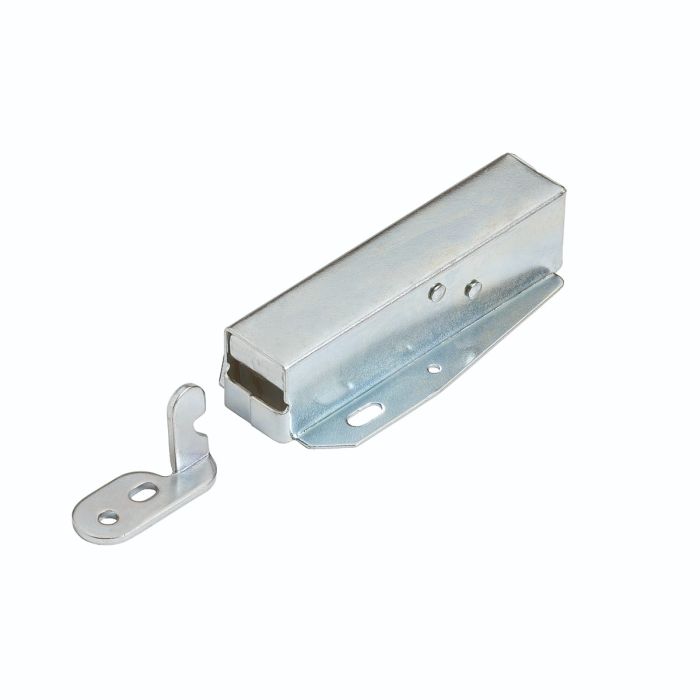
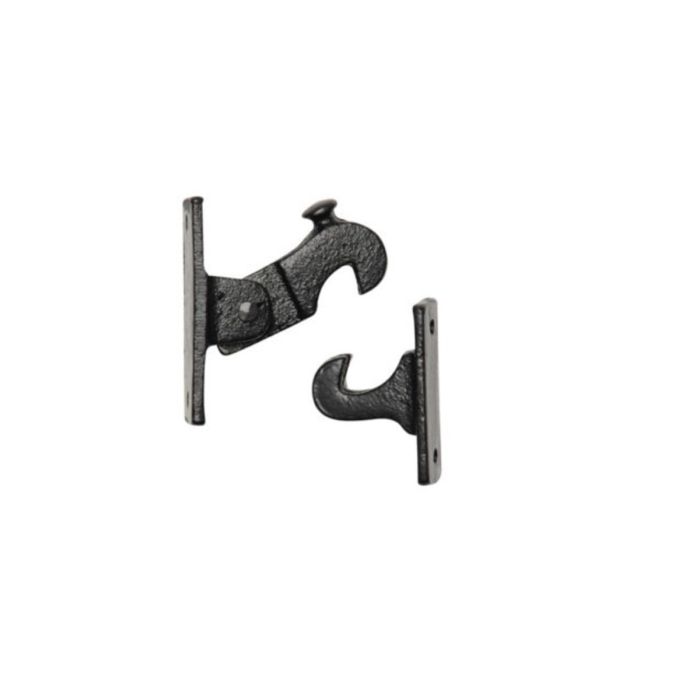
A roller or ball catch retains the door until enough pulling or pushing pressure releases it. A conventional tubular latch is retracted by turning a knob or lever through a spindle. A lock adds controlled access or privacy.
This makes catches particularly useful with fixed knobs and pulls, but a catch should not be treated as primary security or used where a spindle-operated latch is actually required.
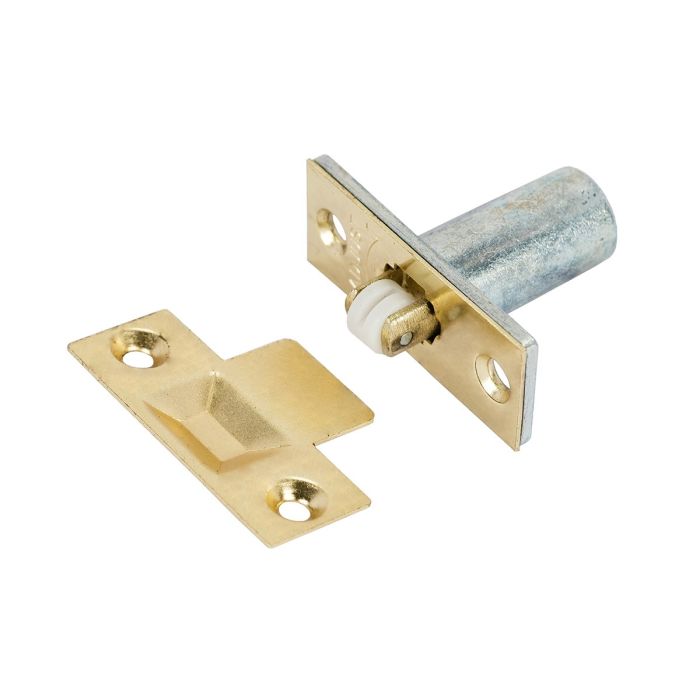
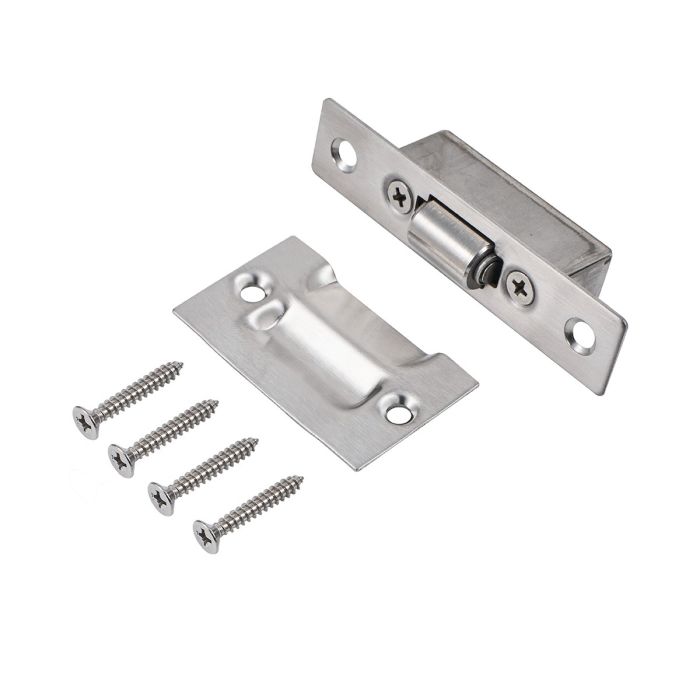
Roller, rollerbolt and ball catches
Roller and rollerbolt catches can suit full-size internal doors where the exact product is intended for that application. Some provide adjustment, allowing the retaining action to be balanced after fitting. Ball catches are often used on cupboards, wardrobes and lighter joinery; do not assume a compact furniture catch is suitable for a heavier door.
- body and faceplate dimensions
- fitting or recess depth
- receiver dimensions and position
- door thickness and available timber
- stated application and adjustment
- existing recess and screw positions
Check the door before replacing the catch
Older timber doors can move through use, humidity, settlement or hinge wear. If a catch no longer meets its receiver, check the door alignment, hinges, loose fixings and adjustment before replacing the mechanism.
A new catch fitted into damaged timber or onto a misaligned door may reproduce the same problem. Where an existing recess remains sound, a fitting that corresponds with the footprint can reduce further cutting.
Let the visible furniture lead quietly
Consider the small visible faceplate and receiver alongside fixed mortice door knobs, pull handles, hinges and escutcheons. Finish names do not establish material, manufacture or ageing behaviour.
Where the door needs handle-operated latching instead, compare tubular latches.
Choosing the Visible Finish
The faceplate and receiver are relatively small, but on a carefully detailed door they still form part of the visible ironmongery.
Consider their relationship with nearby:
- Fixed knobs
- Pull handles
- Hinges
- Escutcheons
- Locks
- Other door furniture
Where close coordination is important, products from the same manufacturer or documented finish family can provide a useful starting point.
Finish names should not automatically be treated as material claims. A brass-coloured or black fitting does not by itself establish the base material, manufacturing process or how the surface will change with age.
Questions customers commonly ask
What catch can be used with a fixed door knob?
A suitable roller or rollerbolt catch can work because the door is opened by pulling against the retaining action. Check the door and exact product application.
Is a door catch the same as a latch?
No. A conventional latch is normally retracted by a spindle-operated knob or lever; a catch releases through pulling, pushing or another product-specific action.
Can a ball catch be used on a full-size door?
Only where the exact product is intended for that application. Many ball catches are designed for cupboards, wardrobes or lighter joinery.
Why has my catch stopped lining up?
The door or hinges may have moved, the receiver may have shifted, or the adjustment may have changed. Check alignment before ordering a replacement.