


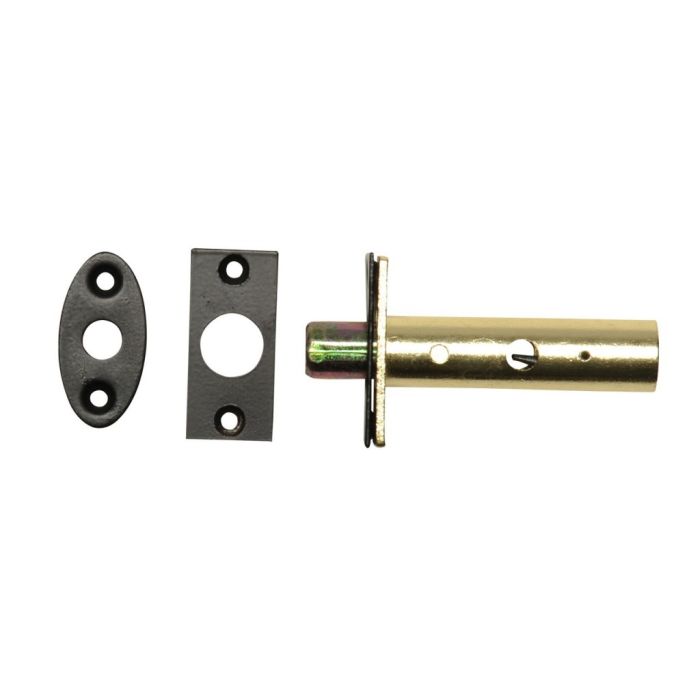
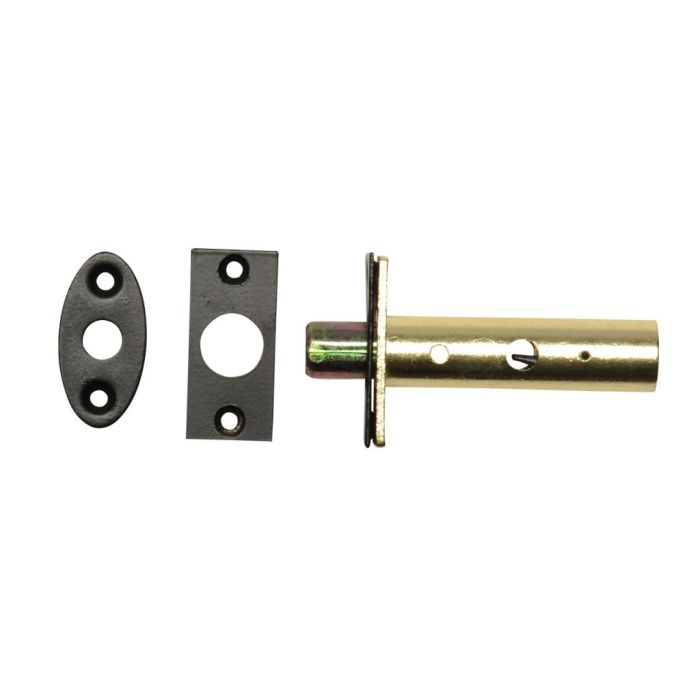


Check the recessed mechanism, not only the faceplate
- overall bolt length
- recessed body width and depth
- faceplate dimensions
- bolt travel
- receiver dimensions and position
- available timber in the stile
- existing mortice and fixing positions
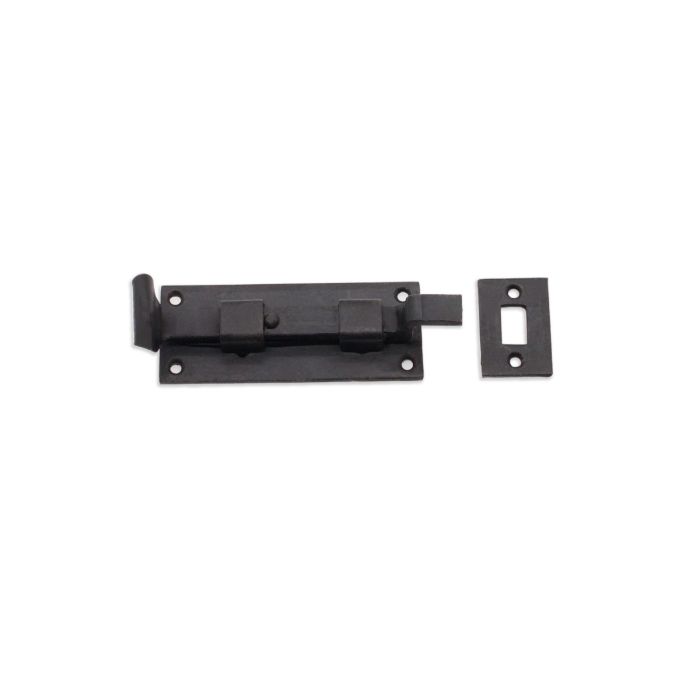
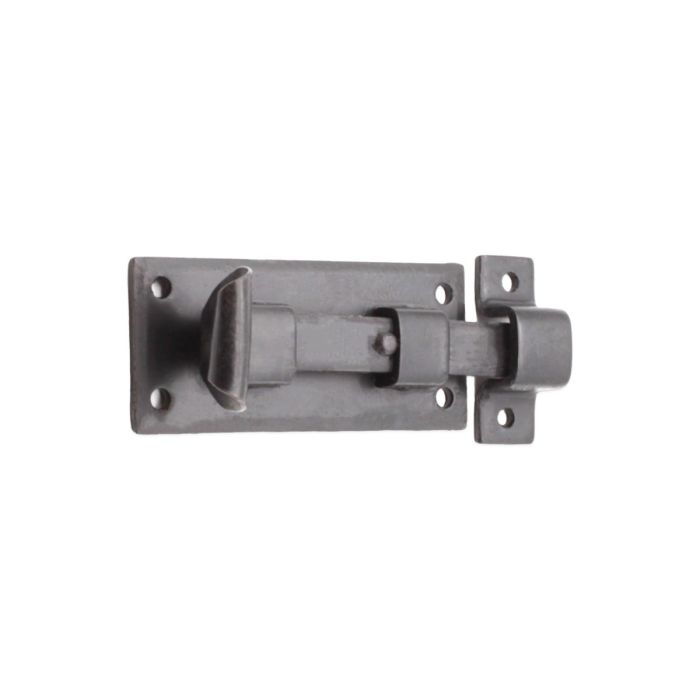
Two flush bolts with similar visible plates can have different internal dimensions. Use the technical drawing for the exact product before cutting the door.
For visible sliding bolts fitted to the face of a door, compare surface and barrel bolts. For vertical rod mechanisms, see espagnolette bolts.
Pairs of doors and visible finish
The inactive leaf may use a bolt at the top, bottom or both positions according to the door specification. Even though most of the mechanism is recessed, the faceplate remains part of the visible ironmongery and can be considered alongside the hinges, handles and locks once suitability has been established.
A polished brass, satin brass, stainless-looking or bronze finish does not by itself establish the base material, corrosion resistance or fire-door suitability.
Fire and performance requirements
A flush bolt should not be assumed suitable for a fire-rated pair simply because it is metal or fits physically. Confirm the exact product, door preparation, receiver, required intumescent protection and doorset evidence for the particular installation.
For related performance-sensitive door hardware, see Exterior & Fire Door Hinges.
Questions customers commonly ask
What is a flush bolt used for?
It is commonly used to secure the inactive leaf of a suitable pair of doors while remaining largely recessed.
What should I measure before replacement?
Record the body width and depth, faceplate, bolt travel, receiver and existing mortice while the old fitting remains in place.
Can any flush bolt be fitted to a fire door?
No. The exact product and doorset evidence must support the intended fire-door application.